Location
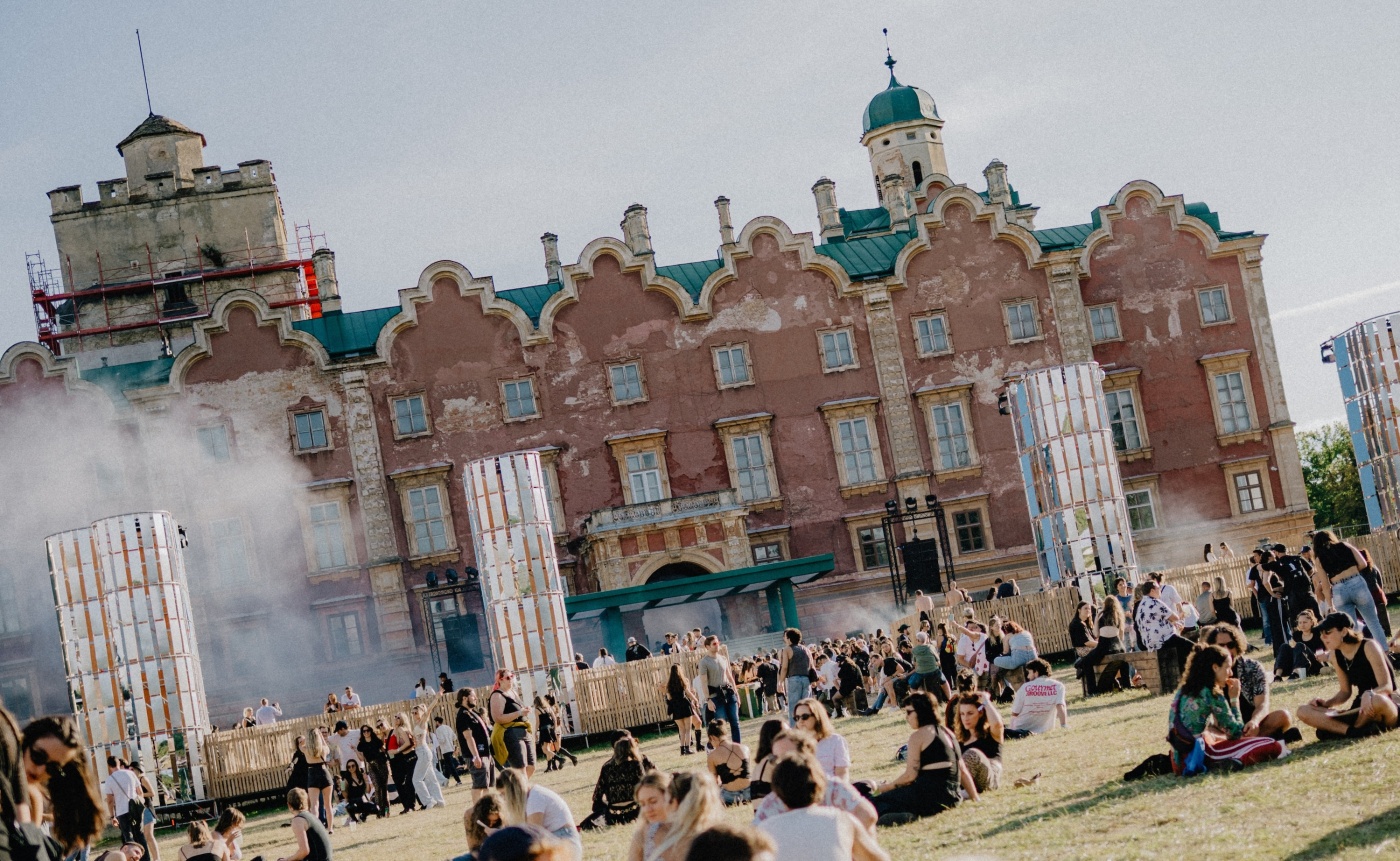
It's called Paradies Garten for a reason.
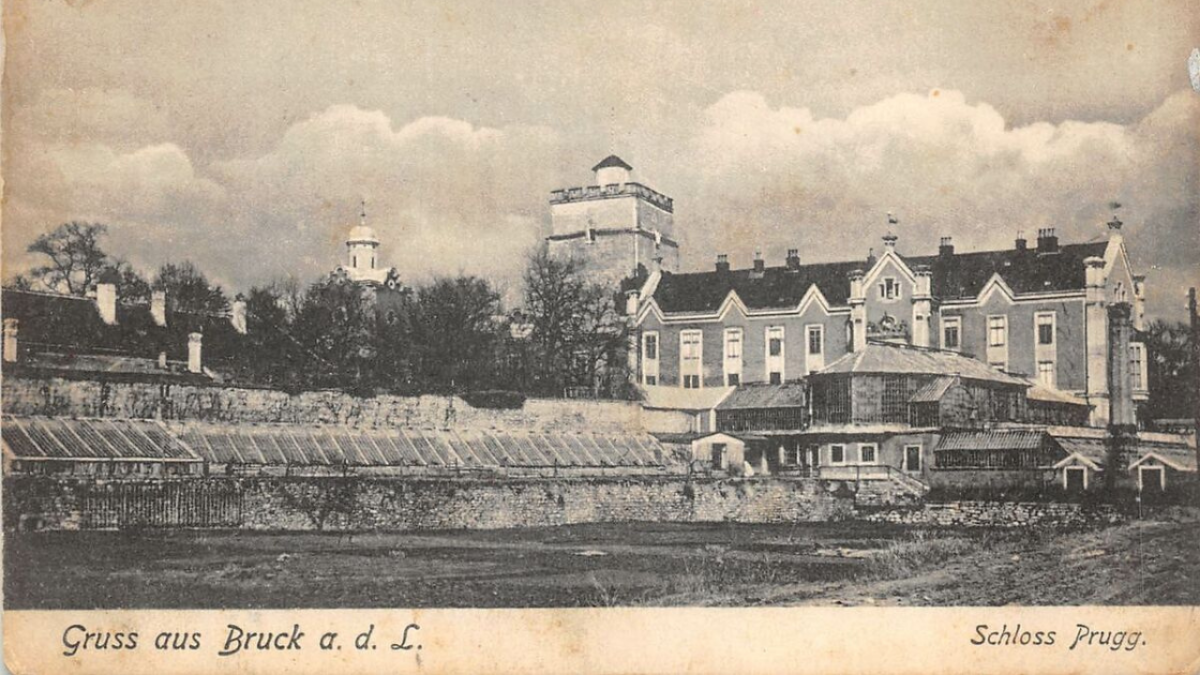
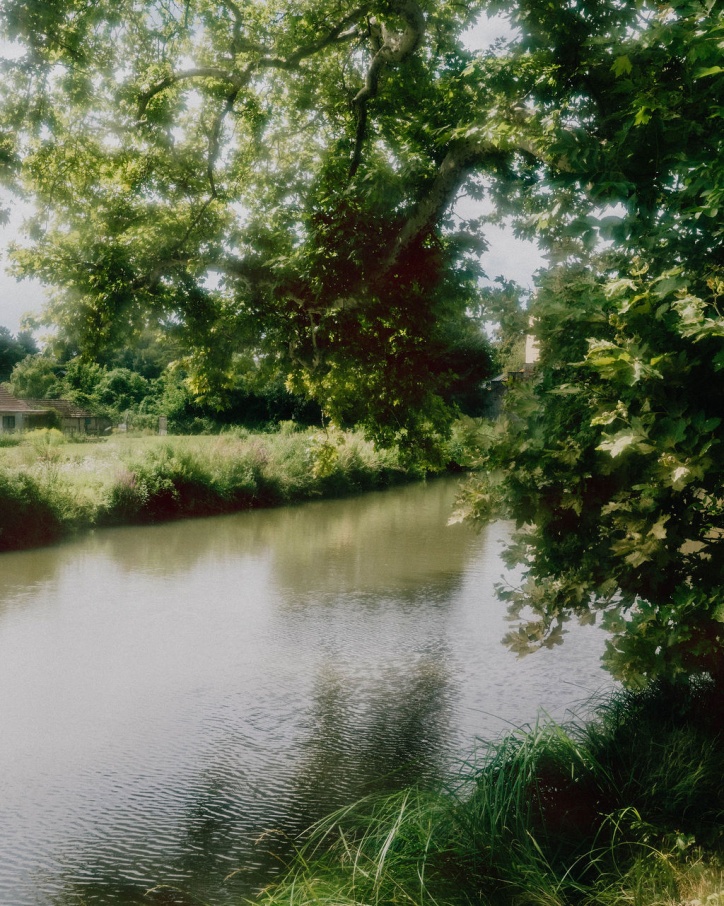
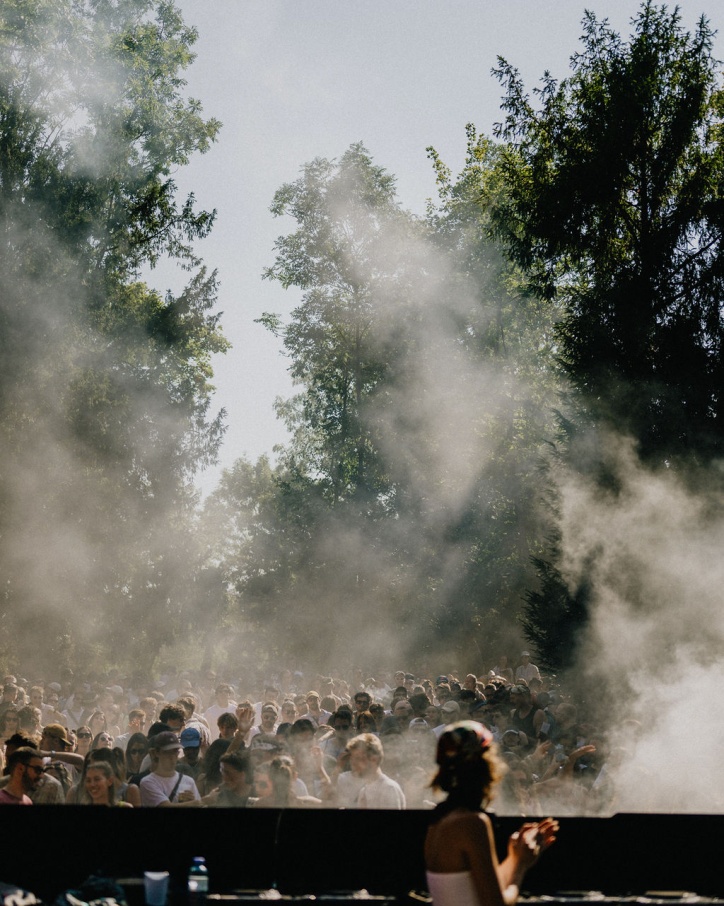
Paradies Garten takes place in the beautiful castle gardens of Prugg Castle, right in the centre of Bruck an der Leitha. It's right at the border of the vast Harrach Park. The natural beauty of this location is perhaps Paradies Garten's biggest headliner. With respect to its history and in collaboration with the current owner, we are proud to organise a sustainable festival that entirely runs on green energy (powered by the nearby windmill farm) and leaves a minimal ecological footprint.
As one of the greenest festivals in Europe, we're always looking for ways to reduce our environmental impact. Traditionally, car transport is the single largest contributor to a music festival's total carbon emissions. That's why it's so important to double down on alternative modes of transport, like trains. Luckily, we have found a great mobility partner in ÖBB, which offers our visitors a seamless journey: a swift 30-minute train ride between Vienna and Bruck an der Leitha. And when the last artists have finished their sets, a complimentary night train service ensures a safe and convenient return trip.
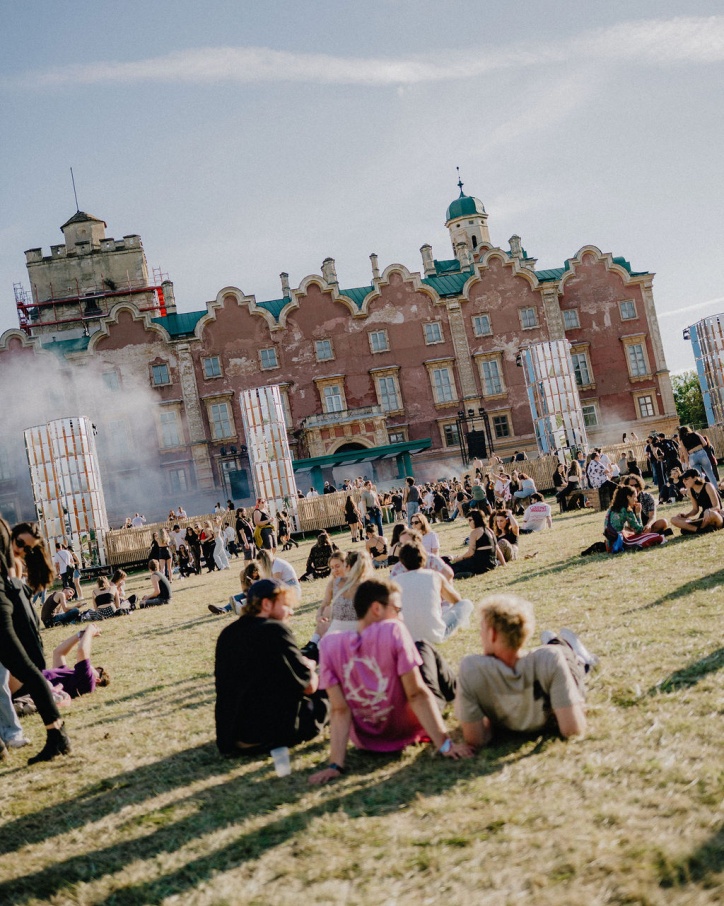
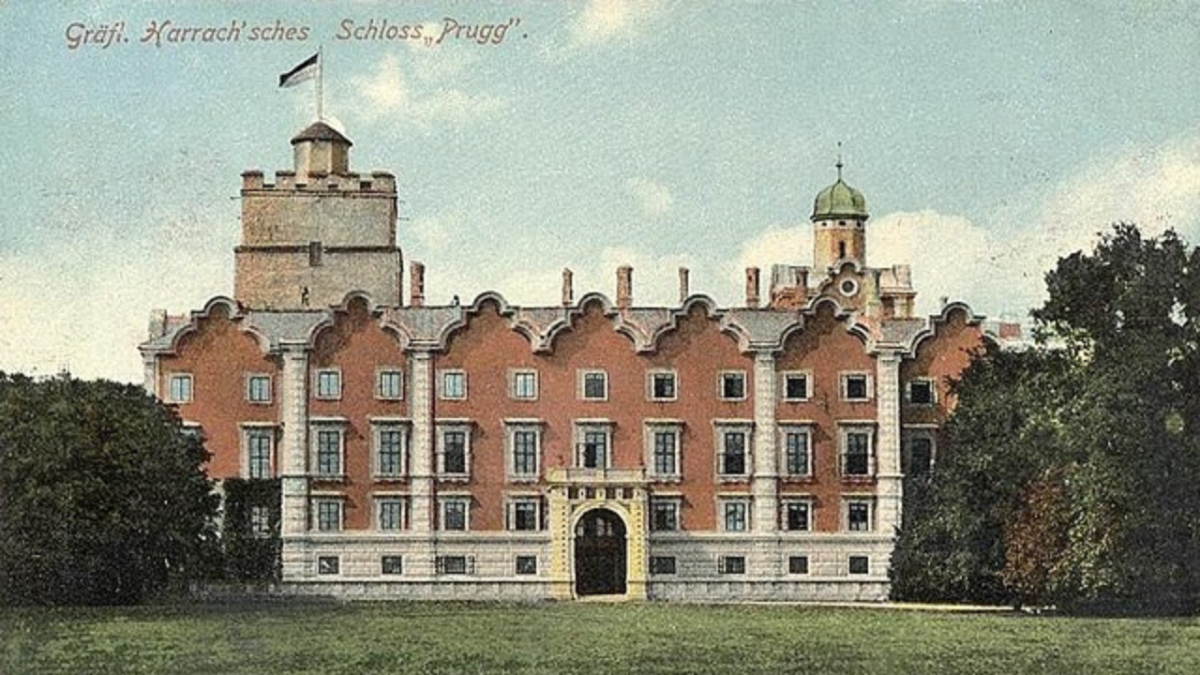
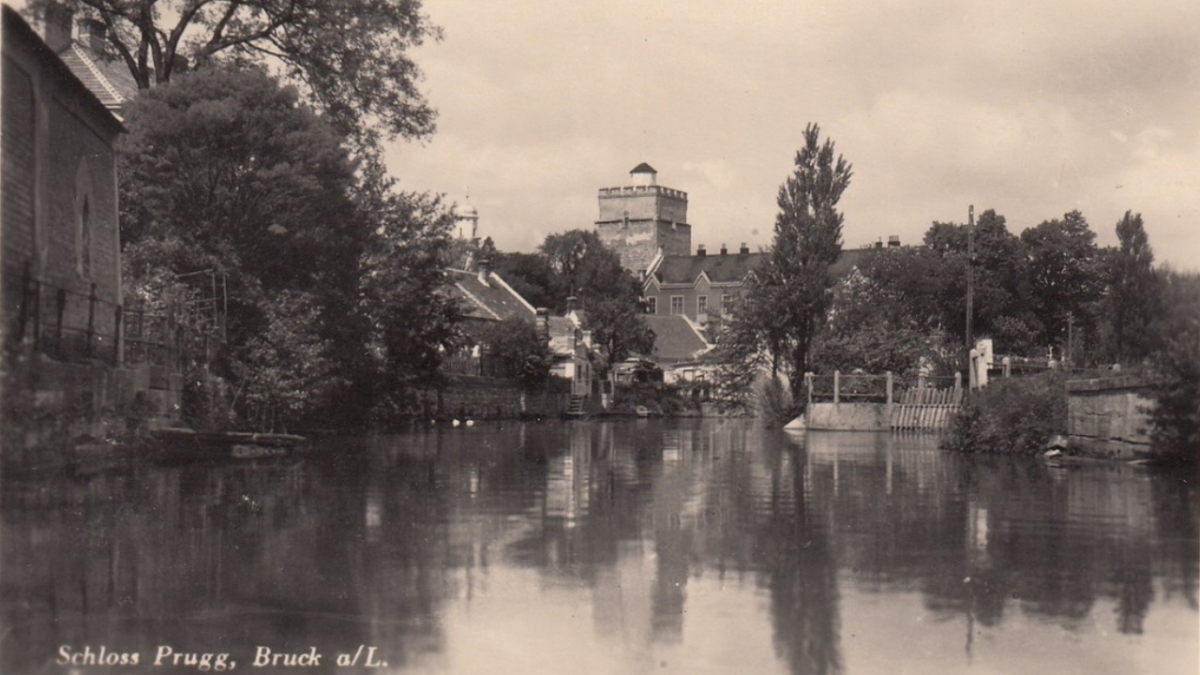
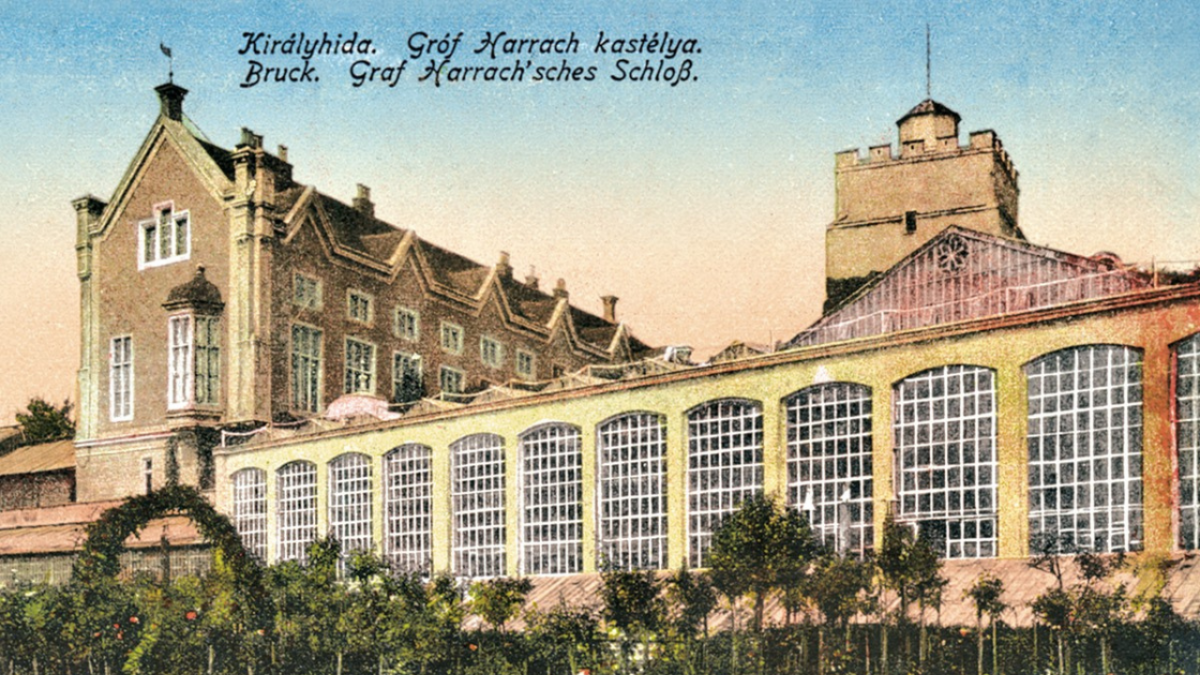
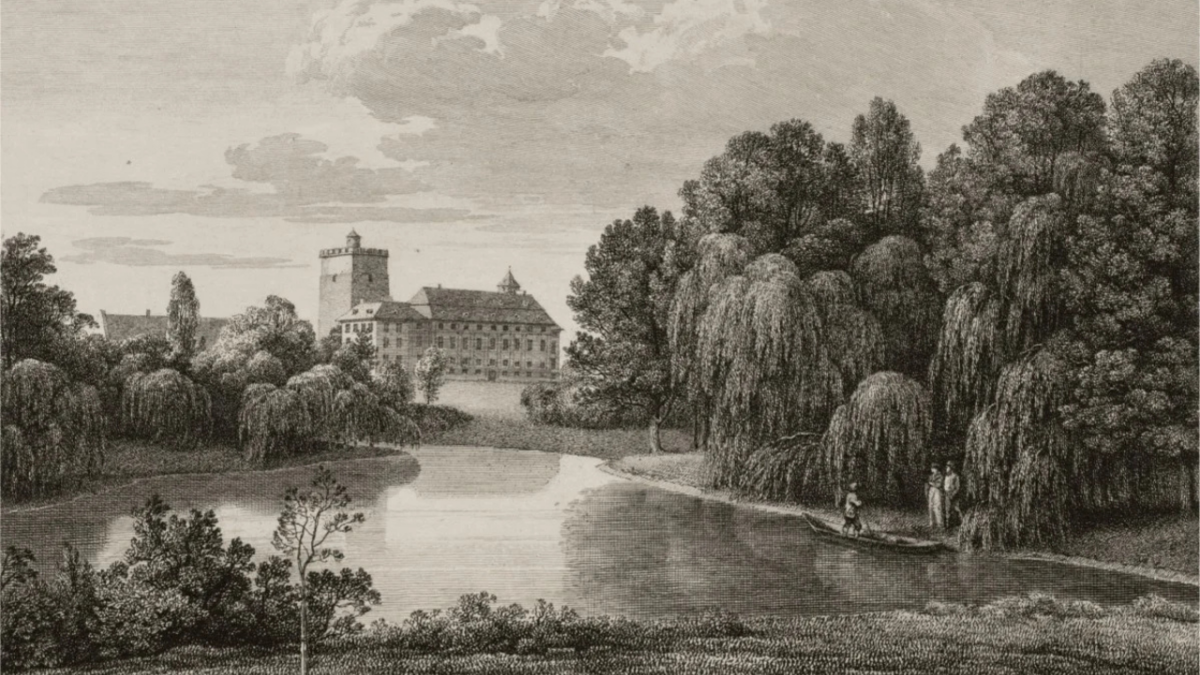
Schloss Prugg: a historic landmark
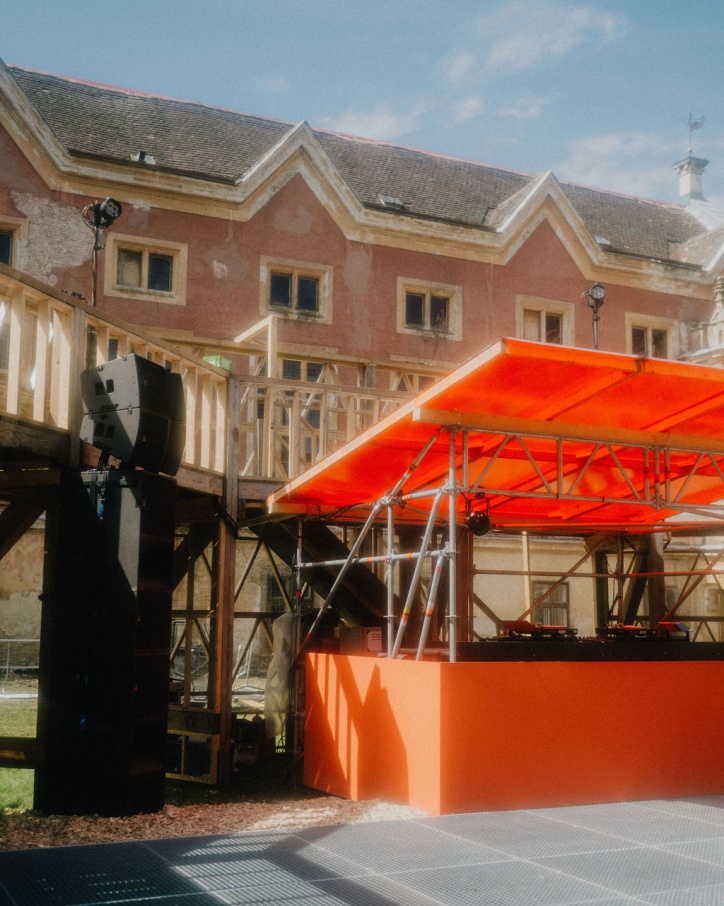
Set on the edge of Bruck an der Leitha, Schloss Prugg carries the layered character of a place that has constantly reinvented itself. What began in the Middle Ages as a fortified water castle guarding a strategic crossing over the Leitha gradually evolved into a refined aristocratic residence under the long stewardship of the Harrach family. Around 1700, the complex was reshaped in the Baroque spirit, with architectural interventions linked to Johann Lukas von Hildebrandt, giving the former stronghold a more courtly presence. Extending from the fortifications, the Harrach Park, originally a Renaissance garden, was transformed into an ambitious Baroque ornamental and pleasure garden with bosquets, orchards, and utility plots stretching toward the river and beyond into a hunting ground. By the late eighteenth century, it was redesigned as an English landscape garden, enriched with rare botanical specimens curated by Johann von Harrach, and admired across Europe. Though the park declined in the mid twentieth century, careful restoration since 1999 has revived its nineteenth-century atmosphere. Today, protected as one of Austria’s significant historic landscape gardens, it combines aristocratic elegance with ecologically valuable habitats, where architectural history and cultivated nature still form a coherent whole.